ENVIRONMENT
ECO DESIGN
Adore Me’s eco-design strategy is built around four pillars: fiber, waste, water, and chemicals. Embedded across the product development process, our internal measurement tool (AIM, or Assess-to-Improve Matrix) assesses and scores environmental impact at every stage — from material selection to manufacturing.
Each product on Adore Me’s website receives a score from 0 to 5. By design, no product is eligible for a perfect score — reflecting our belief that sustainability is a continuous journey rather than a destination. Products scoring 1 or higher are considered “more sustainable” based on internal criteria and established industry practices.
Our scoring methodology is based on manufacturer-provided data and research, and will continue to evolve as we learn more about industry practices, innovations, and challenges.


Fiber
Selection
Fiber Selection
Recycled Fibers
Organic Fibers
TENCEL™ Fibers
Viscose from Viable
Forest Management


Minimizing Waste
Use of Deadstock Materials
Seamless/Full-Fashion Knit
Single-Waste Solutions
Use of Deadstock Materials
Seamless/Full-Fashion Knit
Single-Waste Solutions


Efficient Water
Usage
Efficient Water Usage
Dry Digital Printing
Closed-Loop Dyeing
Dope Dyeing


Reducing
Chemical Use
Reducing Chemical Use
Natural Dyeing
Selected
Certifications
Dope Dyeing
Natural Dyeing
Selected Certifications
Dope Dyeing
The Numbers Behind the Commitment

76%
Preferred Fiber Adoption Increased from 30% to 76% Since 2021 Baseline
75%
3 of 4 Products* Had Sustainable Attributes in 2025
86%
86% of Raw Materials Used in Lingerie & Apparel in 2025 Were Certified to OEKO-TEX® Standard 100
*Products included in Adore Me purchase orders issued to manufacturers in 2025.

Re-Engineering for Lower Impact
Re-Engineering for Lower Impact
Every year, our team makes improvements to already-existing designs to better align with our eco-design principles. Product re-engineering work typically follows two principles:
Incorporating Better Fabrics and Preferred Fibers

Partnering with Vendors on Production Capacity, Quality, Sustainability Efforts, and Innovation Strategy

Bestselling Sleepwear Before & After Re-Engineering
Adore Me has made meaningful progress in eco-design, and the numbers reflect it. The raw material LCA stage saw a relative decrease of 12.3% in its total GHG emissions share.
This progress is driven by two parallel work streams. The first focuses on developing better products from the start, continuously improving the share of sustainability attributes and setting a minimum AIM score requirement for all new developments. The second focuses on reworking existing products by improving their manufacturing processes and upgrading materials used over time.
Reign, one of our bestselling sleepwear styles, is a strong example of both work streams in action. Originally produced with 0% recycled materials and an AIM score of 0, the product was fully redeveloped in 2025 with a new manufacturer. The updated version (spelled “Regin”) contains more than 50% recycled content, has an AIM score of 1, is made exclusively from OEKO-TEX Standard 100 certified materials, and generates 6% fewer carbon emissions per individual unit compared to its previous version.

*The above data uses a size Medium as reference under the assumption that 2 separate units weigh the same (~94/95 grams per unit).

PRODUCT INNOVATION

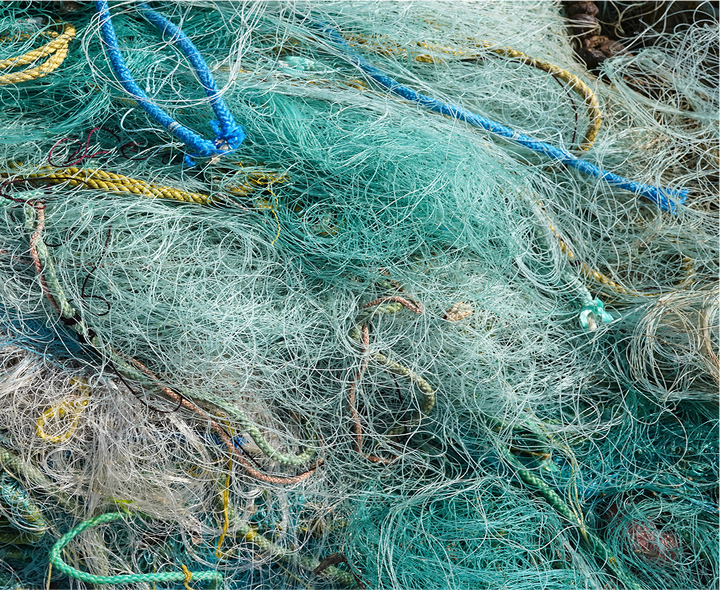
Designed for Circularity: From Fishing Nets to Activewear
In 2025, Adore Me launched the Ace Activewear set made from FishTale fabric: an innovative material crafted from discarded ocean fishing nets. Composed of 80% GRS-certified Regen™ Nylon and 20% RCS-certified recycled spandex, every element of the material is fully certified.

Low Impact
Regen™ Ocean Nylon, the primary fiber in FishTale fabric, has been shown to reduce CO₂ emissions by 49.8% compared to conventional nylon* — making it a meaningful step toward lower-impact activewear without compromising on quality.

High Performance
FishTale performs for the planet and for the wearer. The first-of-its-kind fabric delivers antibacterial properties, moisture management, and UV protection, ensuring comfort and performance across every wear.
CARBON FOOTPRINT
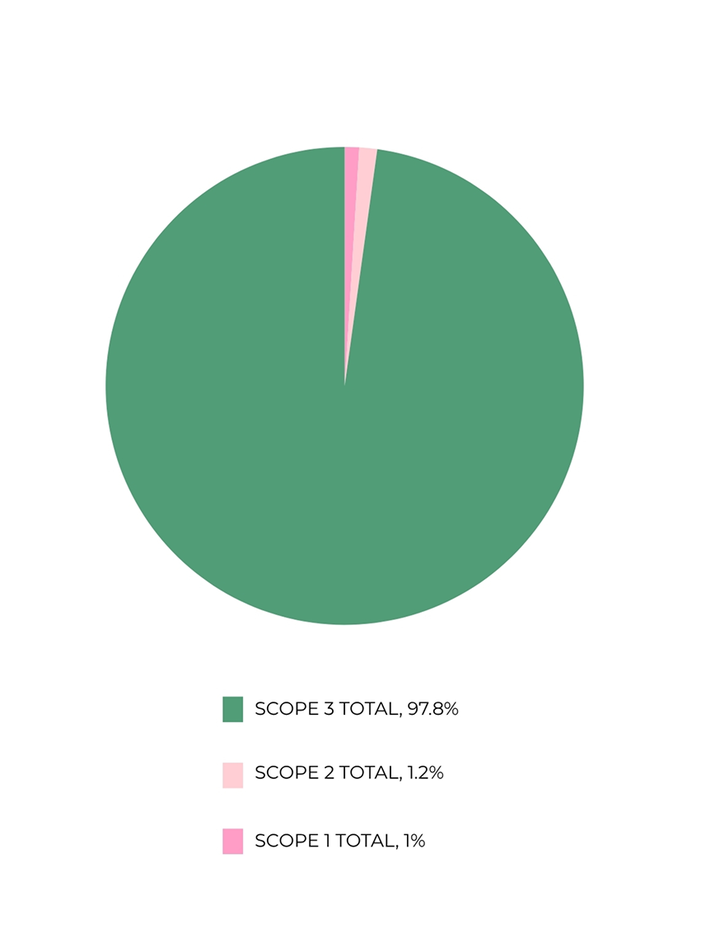
See Adore Me’s 2025 emissions across scopes 1, 2, and 3 — and track how our scope 3 emissions have evolved by category since our 2021 baseline. The year-over-year decrease in emissions reflects a combination of operational dynamics, sourcing decisions, and ongoing efforts to improve efficiency across our value chain.
2025 Total Emission by Scope (tCO2e)
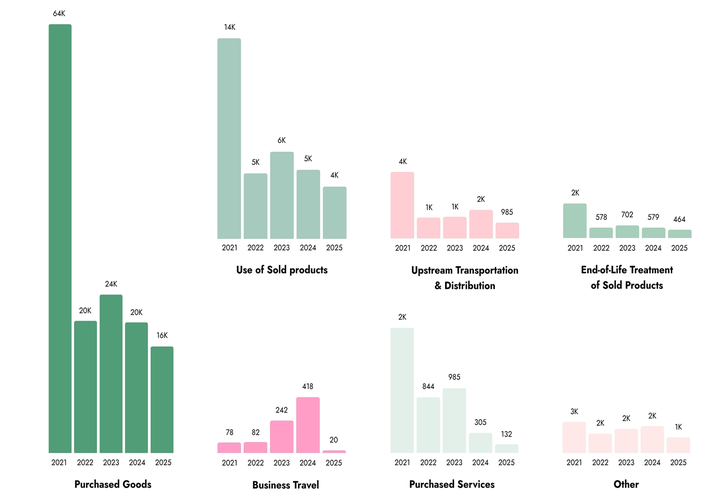
Scope 3 Emissions Trends by Year (tCO2e)
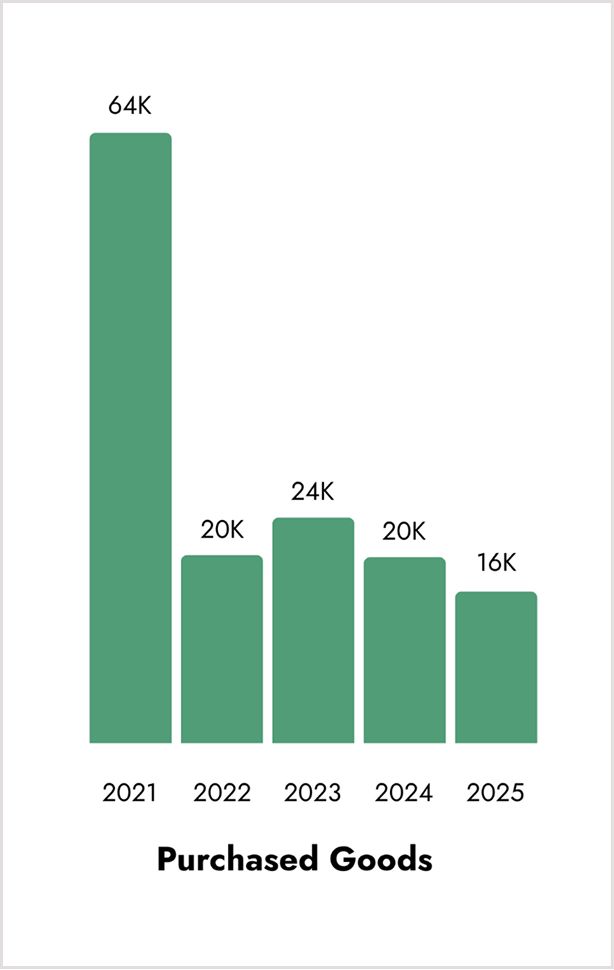
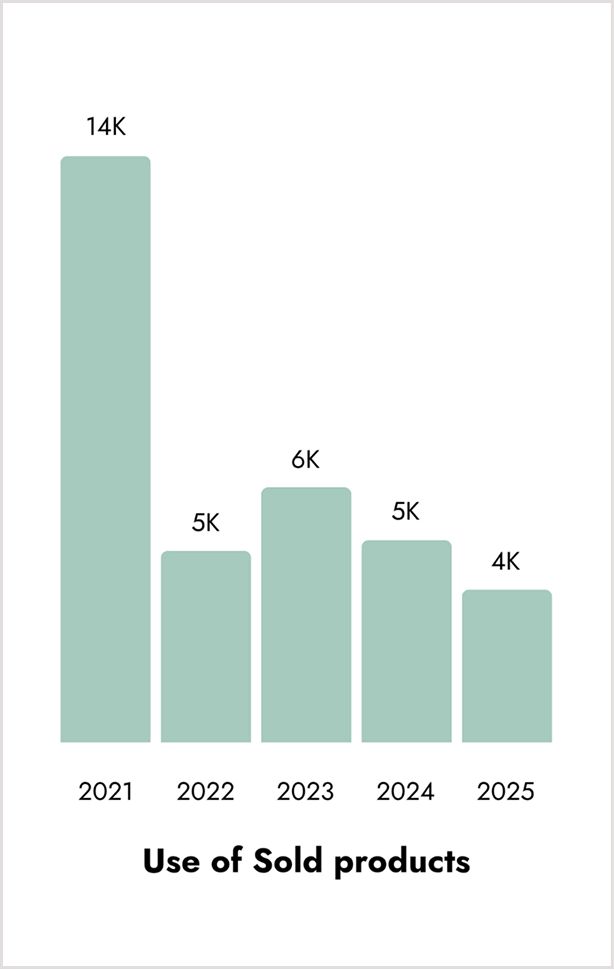
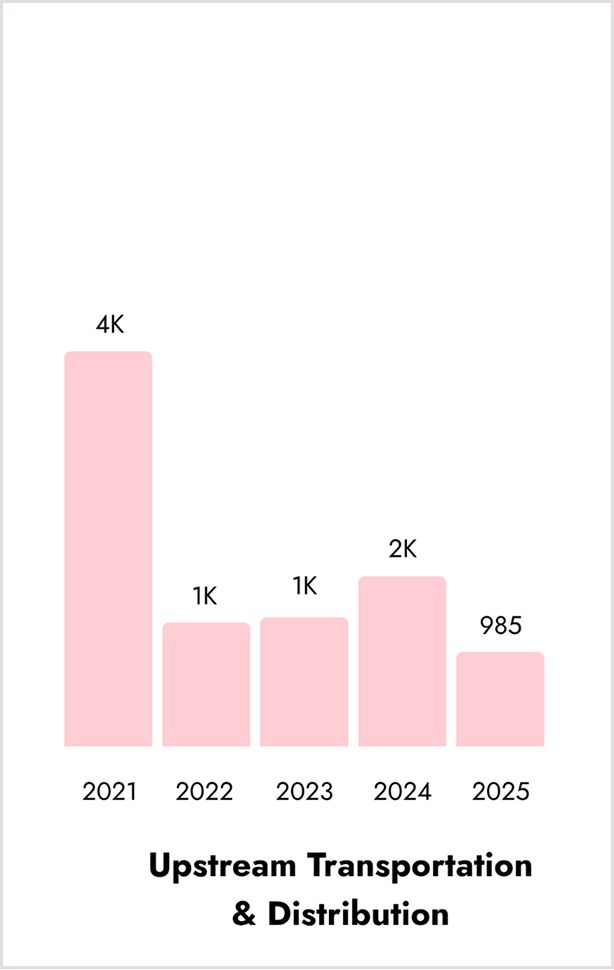
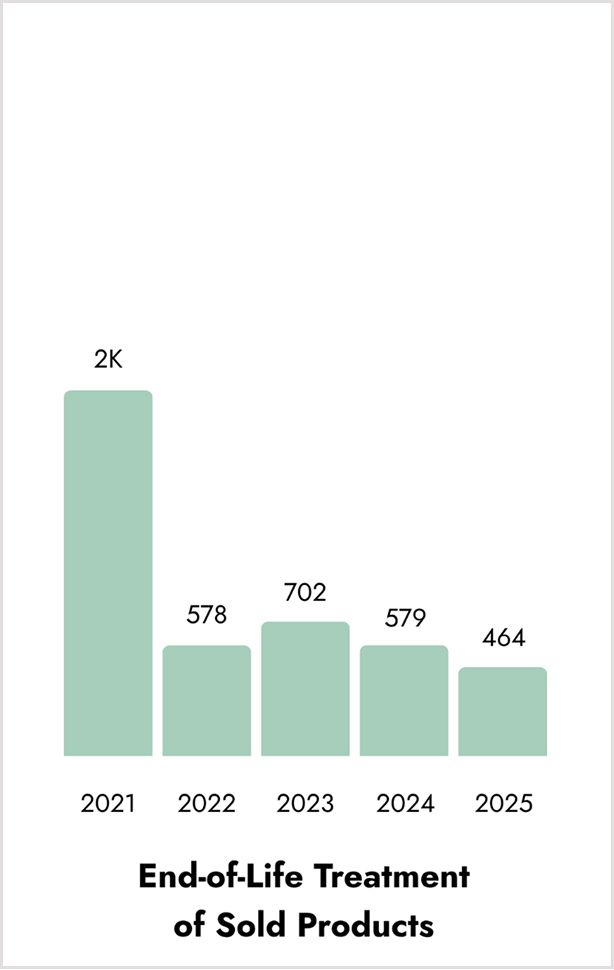
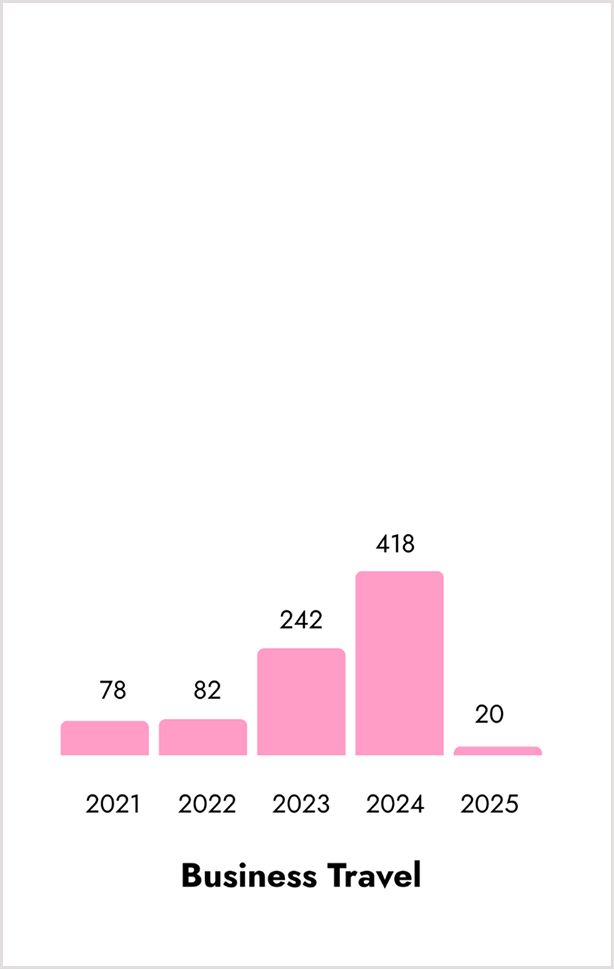
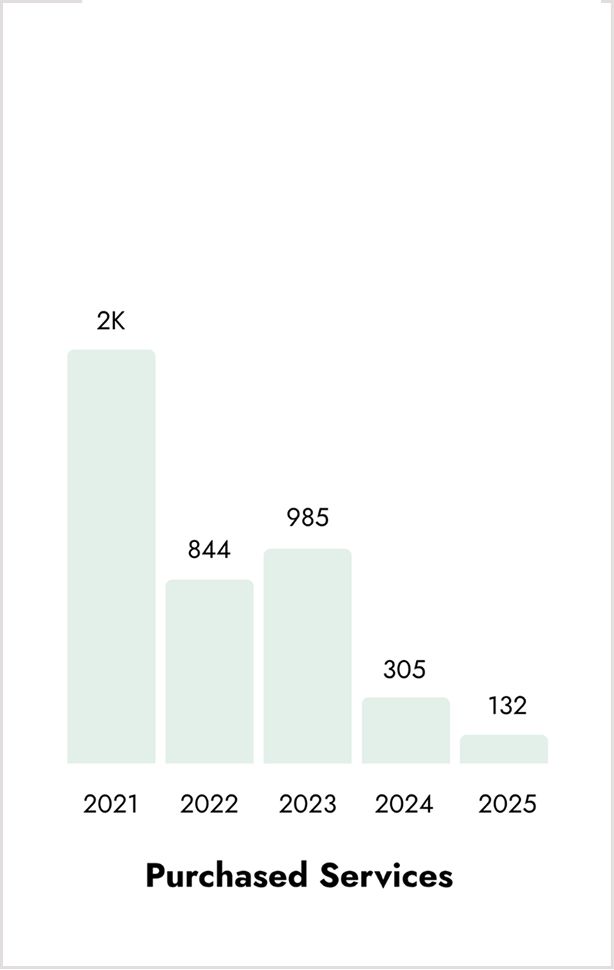
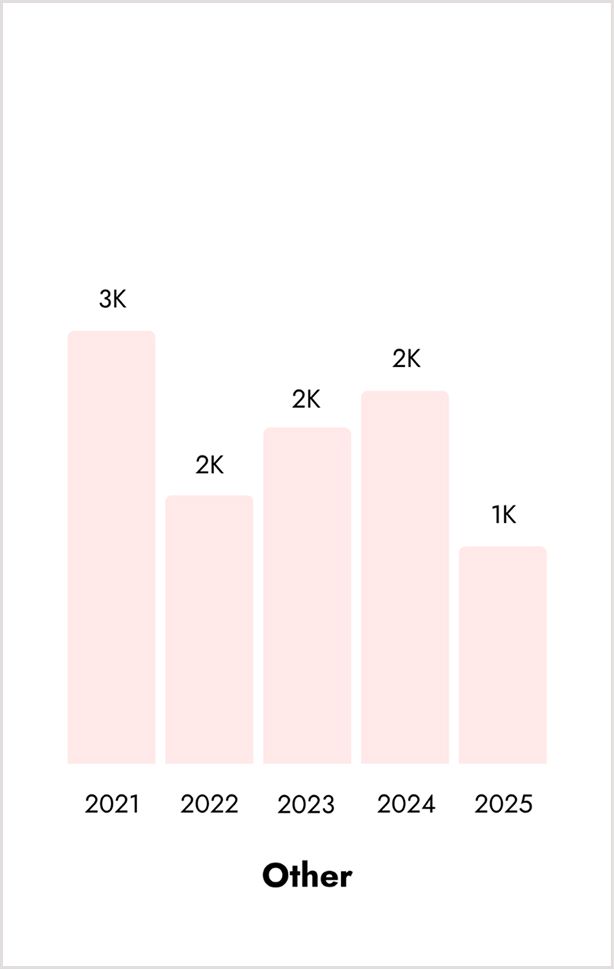
Scope 3 Emissions Trends by Year (tCO2e)

NOTES:
- “Other” category includes Scope 3.2 (Capital Goods), Scope 3.3 (Fuel and Energy-Related Activities), Scope 3.5 (Waste Generated), Scope 3.7 (Employee Commuting), and Scope 3.8 (Upstream Leased Assets).
- Figures in these graphs are rounded to the nearest whole number, which may cause slight variations in aggregated results.